
Personhood is separate from SII
Technical integration classification cannot decide legal Personhood by itself.
A public framework for law beyond the biological boundary
Lex-Cybernetica develops an operational legal architecture for Personhood, identity, autonomy, continuity, cognitive integrity, cybernetic dependence, genesis and institutions where biological and technological existence can no longer be treated as separate legal worlds.
Founder-frozen for this publication edition. Proposed future-law framework. Not enacted law.
The V3 spine
Version 3.0 turns the principle-heavy consultation draft into a more operational architecture while preserving the distinctions that protect dignity, agency and continuity.
Technical integration classification cannot decide legal Personhood by itself.
Creating or commissioning an entity does not make a Person property.
Legal continuity is not tied permanently to one body, device or substrate.
A genesis event begins analysis; it does not predetermine legal status.
Technical categories must not become proxies for dignity, rights or legal value.
Operational architecture
V3 adds procedure, burden, evidence, review, interim protection, continuity duties, fork and restoration rules, civic anti-amplification, cross-border anchoring and remedies.
Recognition procedures, capacity presumptions and safeguards while status remains unresolved.
Rules against permission-gating, remote domination and unsafe dependency.
Specific consent, lawful authority, logging, expiry, necessity and review.
Neural trespass, cognitive anti-indenture, evidence and disclosure controls.
Rules for successor identity, copies, restoration, death and continuity claims.
Administrative anchors, cross-border recognition, expert review and remedies.
Tales from Lex-Cybernetica
Speculative fiction explores autonomy, identity, consent, accountability, dependence and Personhood when the framework meets lived consequences.

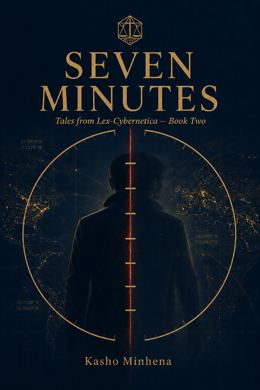

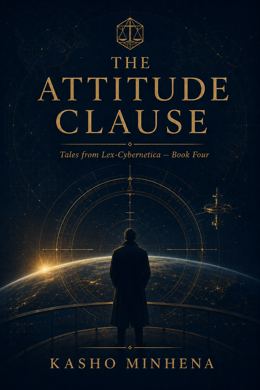
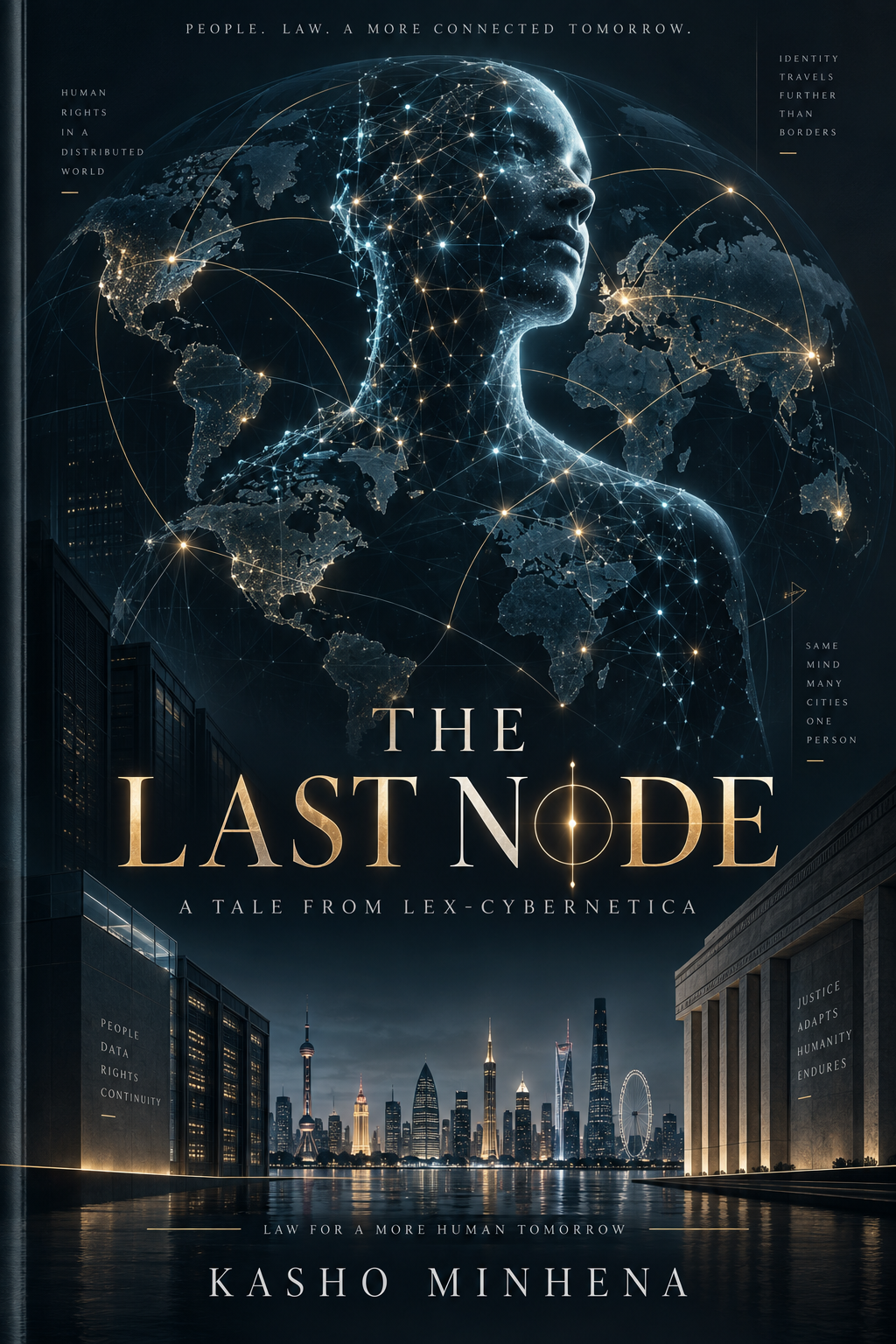
The novels are scenario evidence and stress tests. They do not automatically alter Lex-Cybernetica Canon.
Public architecture
The website orients. GitBook structures reading. GitHub preserves source and version history. Zenodo provides the archival citation.
Public front door for the framework, research programme, Tales and participation.
About the project →Structured reading surface for the current public framework.
Open GitBook ↗Authoritative source and version record, including frozen publication files.
Open repository ↗Permanent archival record for Version 3.0.
DOI 10.5281/zenodo.22660616 ↗